Billy wallson
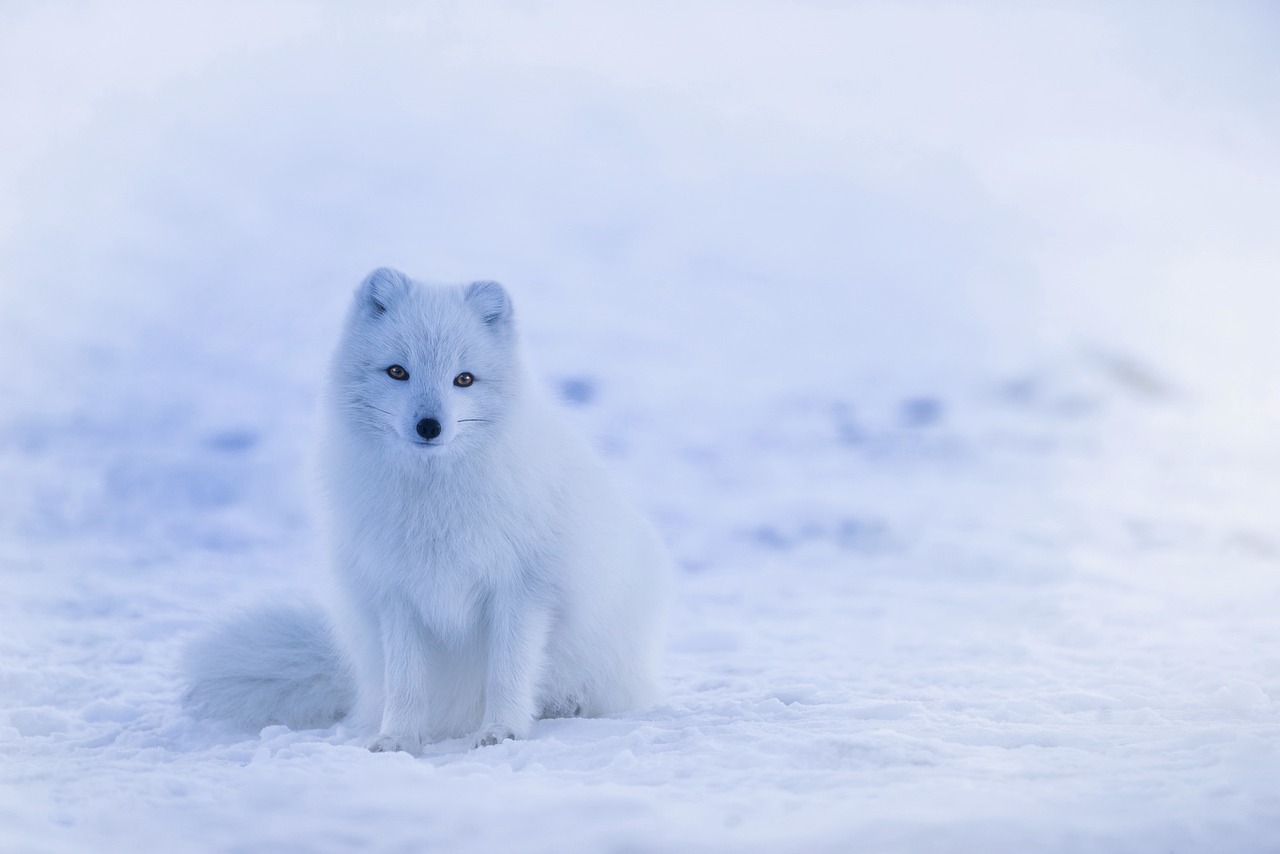
Senior DirectorThe Arctic fox survives where almost nothing else can, and learning to spot its signs is a masterclass in paying attention.
Packing for the Arctic is not about bringing more, it is about bringing the right things and knowing why each one is there. Cotton kills, moisture is the enemy, and redundancy is not paranoia, it is planning. Whether you are heading out for a week of dog sledding, a snowmobile expedition, or a quiet stay in a northern village, the core principles are the same: stay dry, stay layered, and keep your hands and feet working.
Start with your base layer. Merino wool or a good synthetic fabric will wick moisture away from your skin and keep you warm even when damp. Avoid cotton entirely for anything that touches your skin. Over that, add a mid layer or two, typically fleece or a light down jacket, so you can adjust as your activity level changes. The outer layer should be windproof and water-resistant, ideally a shell with a hood that fits over a hat. A parka rated for deep cold is worth its weight, but so is a shell you can vent when you are working hard. Overheating and sweating is one of the fastest ways to get cold later.
Your extremities will suffer first, so give them extra attention. Bring liner gloves for dexterity and heavy mittens for warmth, and wear them together when it is truly cold. Mittens keep fingers together and share heat, which is why they beat gloves in extreme conditions. For feet, start with a thin liner sock and add a thick wool sock over it. Boots should be roomy enough to allow a little air space, because tight boots cut circulation and guarantee cold toes. Insulated boots rated well below freezing are the standard for good reason. Bring spare socks and change them if your feet get damp.
For your face, a balaclava or a neck gaiter you can pull over your nose is essential, especially when wind picks up. Goggles protect your eyes from wind and snow, and sunglasses are just as important on bright spring days when sun reflects off snow. Do not forget a warm hat that covers your ears, and consider a second one in case the first gets wet. Lip balm and a high-SPF sunscreen belong in your pocket year-round, since snow reflects UV rays even when the sun is low.
Beyond clothing, a few items earn their place in every Arctic kit. A headlamp with spare batteries is non-negotiable when daylight is short. A thermos keeps a hot drink from freezing and gives you a morale boost on a long day. Bring a power bank for your phone, since cold drains batteries fast, and keep electronics close to your body. A small repair kit with duct tape, extra cord, and a multi-tool will solve problems you cannot predict. If you are traveling off marked routes, a personal locator beacon or satellite messenger is not optional.
Finally, pack for the trip you are actually taking. Check local advice, ask your guide or host what they recommend, and do not assume your gear from a milder climate will be enough. The Arctic rewards preparation and punishes assumptions. Get the layers right, keep everything dry, and the cold becomes something you work with rather than against.

In the far north, the sky is a forecast you can learn to read, if you know what to look for.

In the far north, the sky is a forecast you can learn to read, if you know what to look for.
The Arctic fox survives where almost nothing else can, and learning to spot its signs is a masterclass in paying attention.

Cold is not the enemy; unpreparedness is, and the right layers and tools make the difference.

The Arctic fox survives where almost nothing else can, and learning to spot its signs is a masterclass in paying attention.

When the sun does not rise for weeks, the Arctic reveals a different kind of beauty and a different kind of time.

Copyright © 2026 Tundra Talk. All Rights Reserved.


Roseanne Williams
Sep 7, 2026 ReplyCold is not the enemy; unpreparedness is, and the right layers and tools make the difference.