Billy wallson
Senior DirectorCold is not the enemy; unpreparedness is, and the right layers and tools make the difference.
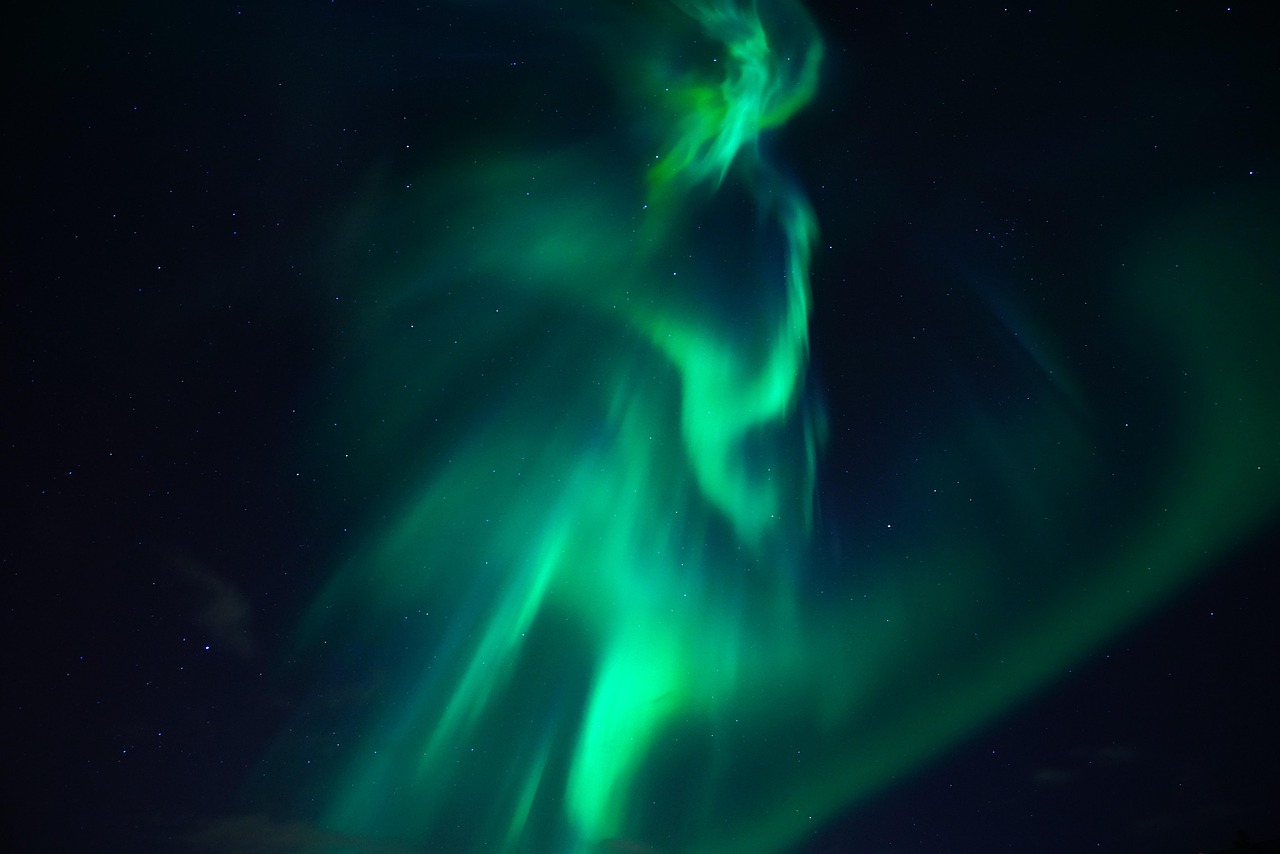
Most people imagine the Arctic in terms of the midnight sun, that endless summer daylight that makes the tundra bloom and the birds return. But the opposite season, polar night, is where the north keeps its strangest and most beautiful secrets. Above the Arctic Circle, there are weeks each winter when the sun never rises above the horizon. It sounds bleak, and to some it is, but for travelers willing to slow down it becomes something else entirely: a long, blue, luminous twilight that changes the way you experience time.
Polar night does not mean total darkness. Even at its deepest, there is usually a few hours of civil twilight around midday, when the sky glows with shades of pink, orange, and violet along the southern horizon. The snow reflects this light and the whole landscape takes on a soft, unreal quality. Colors are muted, distances are hard to judge, and sound travels in unexpected ways. It is a world made for stillness, and the first thing most visitors notice is how quiet it is.
The key to enjoying polar night is to stop treating it as a problem to be endured and start treating it as a season with its own activities. This is prime time for aurora watching, since long dark hours mean more chances to see the northern lights. Find a spot away from town lights, dress warmly, and be patient. The aurora does not perform on schedule, but when it appears it is worth every minute of waiting. Dog sledding and snowmobiling are also wonderful in the blue light, and many operators run evening trips that end with a hot drink around a fire.
Photography is another reason to come. The low light and long exposures create images you simply cannot get in summer. Bring a tripod, learn your camera's manual settings, and protect your batteries from the cold. Beyond organized activities, give yourself permission to do very little. Read, cook, sit by a window, walk a short loop through the village. The darkness encourages a slower rhythm, and that rhythm is part of the experience.
The lack of sunlight affects people differently, and it is worth planning for. Keep a routine, get outside during the twilight hours even when it is cold, and consider a light therapy lamp if you are staying for an extended period. Eat well, stay hydrated, and do not underestimate the value of company. Northern communities have lived with polar night for generations, and their winter traditions, from gatherings to outdoor sports, exist precisely because they work.
For visitors, the biggest adjustment is mental. The first few days can feel disorienting, and it is normal to sleep more or feel unmotivated. Give yourself time. By the end of a week, many travelers find they have settled into the rhythm and started to appreciate what the darkness offers: uninterrupted rest, a sense of coziness, and a sky that puts on a show no summer night can match. Polar night is not the absence of the Arctic. It is the Arctic in its most honest form, and it rewards those who come with patience rather than expectations.

You do not need a luxury lodge or a pricey tour to see the aurora borealis if you plan around location, timing, and patience.

The Arctic fox survives where almost nothing else can, and learning to spot its signs is a masterclass in paying attention.
A honest look at the teamwork, noise, and quiet trust involved in running a team of huskies across snow.

Ice fishing teaches patience, ice safety, and self-reliance, and it can put fresh food on the table in the coldest months.

Cold is not the enemy; unpreparedness is, and the right layers and tools make the difference.

Recognizing hypothermia early is the single most important skill for anyone traveling in the Arctic.

Copyright © 2026 Tundra Talk. All Rights Reserved.


Roseanne Williams
Sep 24, 2026 ReplyWhen the sun does not rise for weeks, the Arctic reveals a different kind of beauty and a different kind of time.