Billy wallson
Senior DirectorReindeer and caribou are not photo props, and learning how to watch them without causing harm makes for a better trip.
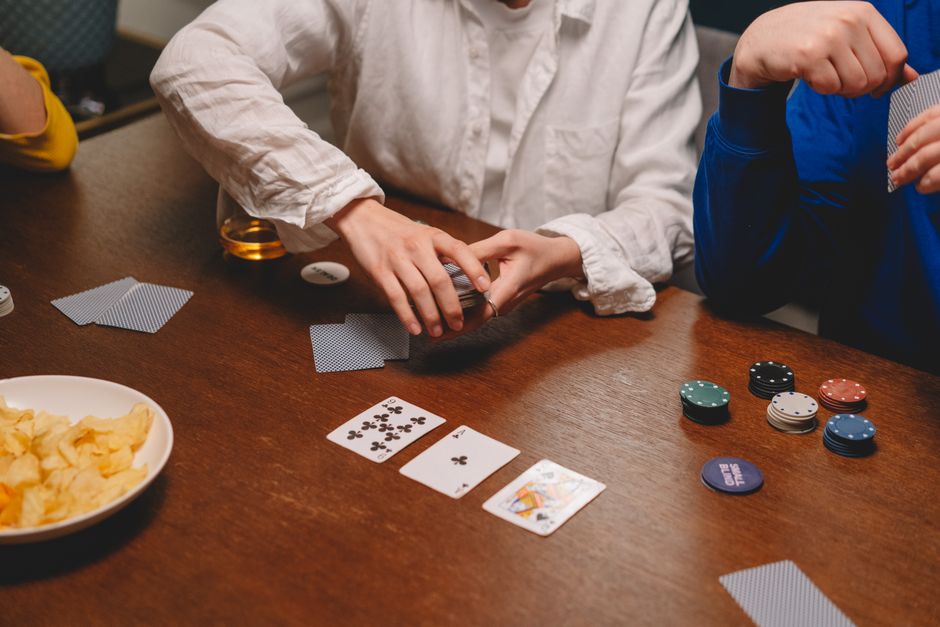
Most people who lose money at online casinos lose it the same way: they log in, chase a feeling, and hope the math bends in their favor. The players who actually last—the ones who still enjoy the hobby three years later without a shredded bankroll—do something completely different. They treat gambling as a system with variables, not a slot machine that owes them a payout. It sounds cold, but that mindset is exactly why they have more fun. When you understand what the numbers are doing, you stop taking losses personally and start making sharper decisions.
Ask any seasoned slots player and they will tell you the same thing: a machine that has not paid out in two hours is not "due." It is not warming up. It does not care. Modern video slots run on random number generators that reshuffle the outcome of every spin in milliseconds, completely independent of what happened before. The RNG is audited regularly by independent testing labs such as eCOGRA or GLI, which publish return-to-player (RTP) figures you can actually look up.
Here is where it gets interesting. A slot with a 96% RTP does not mean you get 96 euros back from a 100 euro session. It means that across millions of spins, the machine returns 96% of all wagered money to players as a group. Your personal session can swing wildly in either direction. A volatility setting tells you how:
Knowing which profile fits your bankroll matters more than any "hot slot" list you will find on a forum.
Every casino game carries a built-in advantage for the operator. Call it the price of admission. The smart move is to choose games where that price is lowest and combine them with strategies that stretch your time at the table. You can read more about it on slot dana.
Rough edges on common games:
You will not beat these numbers long-term through willpower. But you can choose games where the edge grinds you down slowly rather than instantly, and you can layer in strategy where skill genuinely shifts the math. That is why basic blackjack strategy—a simple chart you can memorize in an afternoon—removes about 2% of house edge compared to playing by gut. Over a hundred hands, that difference is real money.
No strategy survives bad money management. The players who go broke fastest are not the unlucky ones—they are the ones who buy in with rent money and double their stakes after a loss.
A working framework looks like this:
Written rules beat willpower. Put them in a notes app and read them before every session.
Here is the uncomfortable truth casino marketers do not love: poker is not a house game. You play against other humans, and the operator takes a rake. That means a genuinely skilled player can profit long-term. It also means a casual player can lose to a regular the same way fish lose to sharks.
If you want to take poker seriously, prioritize three skills above everything else:
Tournament play is a different beast. Variance is enormous, and even strong players go months without a deep run. Sit-and-go formats are a gentler entry point for learning push-fold math without the emotional rollercoaster of large-field events.
Welcome bonuses look generous until you read the wagering requirements. A 100% match up to 200 euros may sound like free money, but the terms often demand you wager the bonus and deposit 30 to 50 times before withdrawing anything. So a 200 euro bonus at 40x wagering means 8,000 euros in bets before a single cent is yours.
Do the math before claiming anything:
A sober analysis sometimes reveals that a smaller, lower-wagering bonus is worth more than a flashy headline offer.
Most gambling content is designed to make you click, chase, and deposit again. The genuinely useful skill is slower and less glamorous: understanding odds, respecting variance, and knowing when to close the browser. None of that guarantees a profit—no strategy does. But it does guarantee you stay in control, which is the only outcome that actually matters in a game where the house always holds the edge on the long timeline. Treat your bankroll like a budget for a night out, learn the math behind the games you love, and the hobby stops feeling like a trap and starts feeling like what it should be: entertainment that occasionally pays you back.
The Arctic fox survives where almost nothing else can, and learning to spot its signs is a masterclass in paying attention.

Ice fishing teaches patience, ice safety, and self-reliance, and it can put fresh food on the table in the coldest months.
Cold is not the enemy; unpreparedness is, and the right layers and tools make the difference.

When the sun does not rise for weeks, the Arctic reveals a different kind of beauty and a different kind of time.

Reindeer and caribou are not photo props, and learning how to watch them without causing harm makes for a better trip.

The Arctic fox survives where almost nothing else can, and learning to spot its signs is a masterclass in paying attention.

Copyright © 2026 Tundra Talk. All Rights Reserved.




Roseanne Williams
Sep 19, 2026 ReplyIn the far north, the sky is a forecast you can learn to read, if you know what to look for.