Billy wallson
Senior DirectorReindeer and caribou are not photo props, and learning how to watch them without causing harm makes for a better trip.
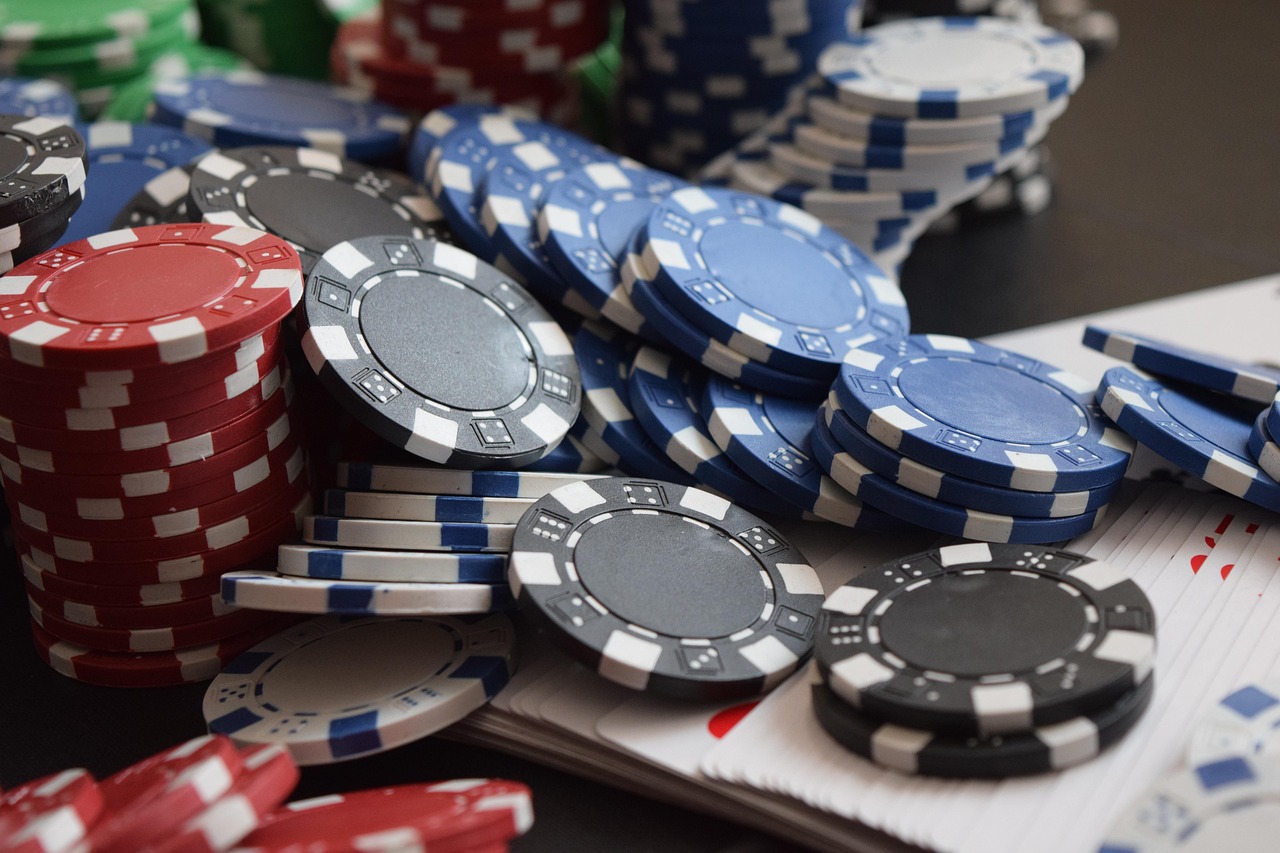
Every slot player has heard the same advice: "This machine is due for a payout." Or the opposite: "That one's hot, it just paid twice." Spend an hour in any casino forum and you will find thousands of words built on pure superstition. The uncomfortable truth is that most players lose money not because the house edge exists, but because they misunderstand how it actually works. Let's fix that.
Return to Player, or RTP, is the single most quoted and least understood figure in slots. A game with 96% RTP does not mean you get 96 euros back for every 100 you wager. It means that across millions of spins and millions of players, the software pays out roughly 96% of everything staked. The remaining 4% is the house edge.
Here is the part nobody tells you: RTP is a long-run average, not a per-session guarantee. If a slot has 96% RTP, roughly one in every twenty-five euros cycled through it is retained by the operator. On a 1 euro spin, the expected loss is 4 cents. You can hit a 500x win and be far above that curve, or grind for three hours and never touch it. Variance, not RTP, determines what happens in your ninety-minute session. A 96% RTP game with extreme volatility can wipe a 100 euro bankroll in twenty minutes and then pay a 2,000x bonus on the spin after you quit.
So when someone insists a low-RTP machine (say 92%) is "luckier today," they are describing a category error. The math does not flex based on your feelings.
If you want to survive a session, volatility is the dial that actually matters. Two games can both be 96% RTP and behave like entirely different species. See slot gacor for a side-by-side comparison.
Practical rule: if your bankroll is under 200 euros, high-volatility slots are a trap unless you accept you're paying for entertainment, not chasing a return. If your bankroll is 500 euros or more, high volatility becomes statistically reasonable because you can survive the droughts long enough to see the tail of the distribution.
Sports bettors and casino players both fall into the same ditch: a juicy welcome bonus that turns out to be a cage. Look at three numbers before you accept anything.
Mathematically, a 100% match bonus at 40x on a 96% slot with a 5 euro bet cap is often worse than no bonus at all, because a cash bankroll has no wagering strings. Bonuses are marketing, not charity. Read the terms like a contract, because that's exactly what they are.
Here's where the iGaming landscape splits. Slots, roulette, baccarat and most table games are negative expected value in every legal configuration you will ever find. Poker is different: you play against other humans, and the house takes a rake instead of a fixed edge. That means a skilled player can be profitable over the long run while a weak player loses faster than any slot.
Consider the economics. In a typical low-stakes online cash game, the rake is around 5% capped at 3 euros. If you are better than the average at your table, you can beat that rake and show a profit. If you are average or worse, poker becomes more expensive than slots because you're paying the rake and subsidising the better players. The brutal corollary: soft games attract regulars, and regulars eventually squeeze out the fish. Game selection, not card luck, is the biggest edge most amateurs ignore.
For a casual player, the honest ranking of expected loss per hour looks roughly like this: skilled poker (positive), sports betting with genuine knowledge (near break-even before commission), blackjack with perfect basic strategy (about -0.5%), then everything else. That is not a reason to avoid slots. It is a reason to walk in with clear eyes about what you're paying for.
None of the above means you can't enjoy a night of spinning reels. It means you should stop pretending it's an investment strategy and start treating it like a priced entertainment expense, the same way you'd budget for concert tickets.
The casino doesn't need to rig anything. The math already beats you slowly, spin after spin, provided you keep playing. Slots return 94–97%, blackjack with basic strategy around 99.5%, and the operator keeps the rest with zero emotional effort. Your only genuine edge is discipline: knowing when to stop, refusing to chase, and treating the entire exercise as paying for a thrill rather than expecting the machine to fund your holiday.
The players who come out ahead over decades aren't the ones who found a "loose" machine. They're the ones who understood the arithmetic, kept their bets in proportion to their bankroll, and left when the fun was done. Everything else is noise dressed up as strategy.
The Arctic fox survives where almost nothing else can, and learning to spot its signs is a masterclass in paying attention.

Ice fishing teaches patience, ice safety, and self-reliance, and it can put fresh food on the table in the coldest months.
Cold is not the enemy; unpreparedness is, and the right layers and tools make the difference.

When the sun does not rise for weeks, the Arctic reveals a different kind of beauty and a different kind of time.

Reindeer and caribou are not photo props, and learning how to watch them without causing harm makes for a better trip.

The Arctic fox survives where almost nothing else can, and learning to spot its signs is a masterclass in paying attention.

Copyright © 2026 Tundra Talk. All Rights Reserved.




Roseanne Williams
Sep 19, 2026 ReplyIn the far north, the sky is a forecast you can learn to read, if you know what to look for.